

NAIROBI NATIONAL PARK
“The World’s only Wildlife Capital”
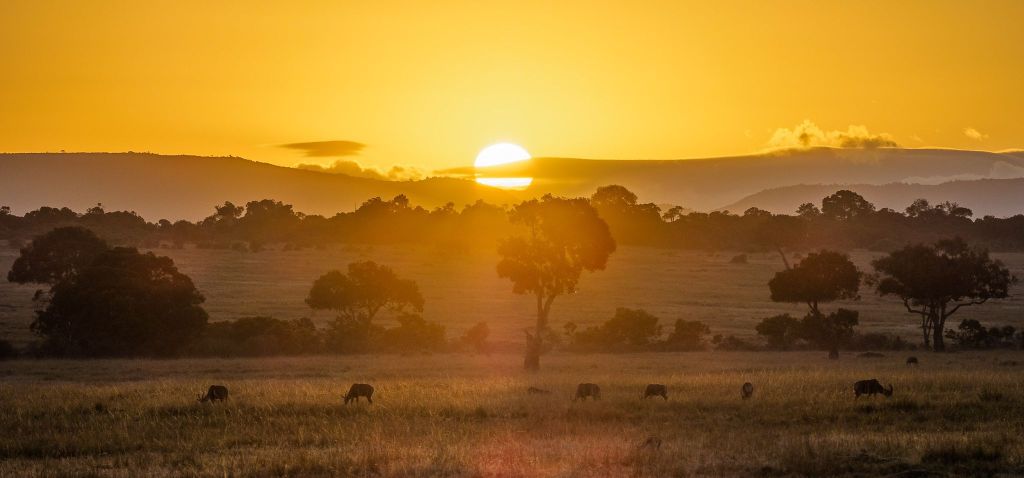
A short drive out of Nairobi’s central business district is the Nairobi National Park. Wide open grass plains and backdrop of the city scrapers, scattered acacia bush play host to a wide variety of wildlife including the endangered black rhino, lions, leopards, cheetahs, hyenas, buffaloes, giraffes and diverse birdlife with over 400 species recorded. Visitors can enjoy the park’s picnic sites, three campsites and the walking trails for hikers.


Nairobi National Park has the Nairobi Animal Orphanage, founded in 1963 which is located inside the park which serves treatments and rehabilitation center for wild animals like the lions, cheetahs, hyenas, jackals, servals and among others also the bird species can be viewed including the parrots, guinea fowls, crowned cranes, ostriches and many others. The distance between Nairobi and Nairobi National Park is 15.6km through the A104 road which takes you about 28 minutes by the road means.
ACTIVITIES AT NAIROBI NATIONAL PARK


Bird watching
Nairobi national Park has over 520 species in the park, of which the 20 are seasonal European migrants which makes the park a top choice for a day birding tour in Kenya, also the park is well known as one of the top birding destinations in Africa as well as the world. The various bird species in the park includes the African Crowned Eagle and Kori Bustard, Secretary bird, African skimmer, Grey crowned Crane, Bateleur, Augur Buzzard, Martial Eagle, Fox Kestrel, African Fish Eagle and many more. During your visit in Nairobi National Park, on a normal birding day more than 100 bird species may be seen or recorded in a day’s birding tour.


Game viewing
Nairobi National Park has a various wildlife in the park, majorly the black and white rhinoceros, the park has over 100 mammal species, the four of the big five mammals (lion, buffalo, leopard, rhino) may be encountered in the park, other animal species in the park includes the eland, impala, zebra, wildebeest, cheetah, olive baboon, hippopotamus, serval cat, vervet monkey, and many more. Nairobi National Park has many various habitats represented ranging from savannah grasslands, open woodland, scrub, bushed thickets and dry wetland forest others include the rocky gorges, wetlands, rivers and streams.


ivory burning site monument
A historic location where 12 tonnes of ivory were burnt by the former Kenyan President Daniel Arap Moi in 1989. Most of it was intercepted before entering the market, stored then burnt to show Kenya’s commitment to the conservation of elephants, and zero tolerance to ivory trade. It was used again a few more times with the last being in 2016 to burn 105 tonnes of ivory, 1.35 tonnes of rhino horn, exotic animal skin along with other products such as sandalwood and medicinal bark.


Walking trails hippo pools and view point
Walking trails hippo pools in the Nairobi National Park is a short self-guided nature trail in the park that starts from a picnic area following the Athi river banks, the route is patrolled by Kenya Wildlife Services ranges, and is one of few areas in the park where hiking is allowed without one.